
Should Boulder homeowners choose carpet or hard flooring — and does the answer change depending on the room?
For most Boulder homes, the best answer is a strategic combination of both. Hard flooring handles high-traffic areas, entryways, kitchens, and bathrooms better — where durability, moisture resistance, and easy cleaning matter most. Carpet excels in bedrooms, living rooms, and basements where warmth, comfort, and sound absorption take priority, especially during Colorado’s cold winters. Understanding how each option performs in Boulder’s specific climate helps you make the right call for every room.
How Carpet Flooring Boulder CO Performs in Boulder’s Climate
Boulder’s climate significantly impacts flooring performance. Low humidity, intense UV exposure at elevation, and temperature swings between seasons affect both carpet and hard flooring differently.
Carpet provides superior insulation, reducing heating costs during Colorado’s cold winters. It maintains warmth underfoot even on the coldest mornings—a benefit hard flooring cannot match without radiant heating. This insulation also helps moderate indoor temperatures year-round, reducing HVAC demands.
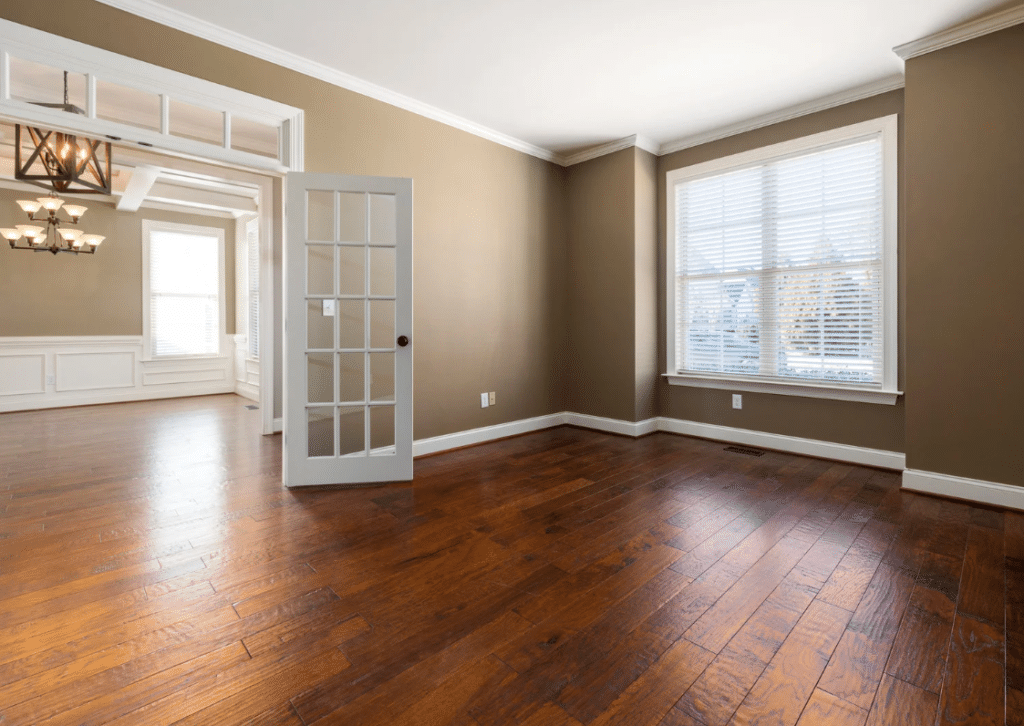
Hard flooring expands and contracts with temperature changes. Wood floors particularly require careful acclimation and installation to prevent gaps or buckling in Boulder’s dry climate. However, hard surfaces don’t absorb allergens or odors like carpet can.
Comfort and Acoustics
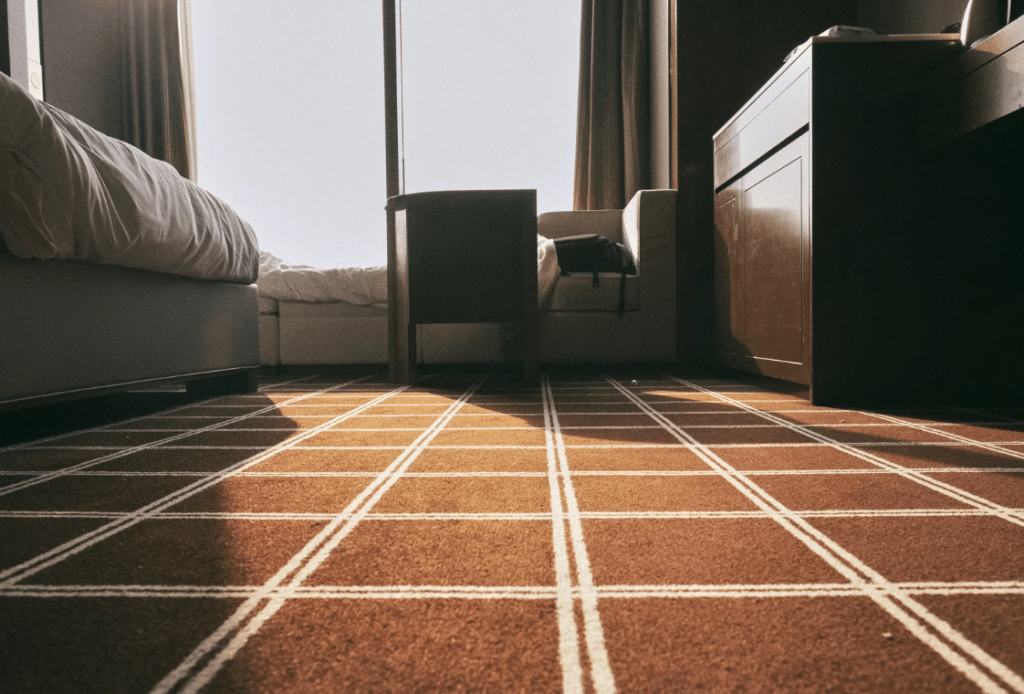
Carpet flooring in Boulder, CO excels in comfort. The cushioned surface reduces fatigue when standing, provides safer falls for young children, and feels pleasant barefoot. For families spending significant time indoors during snowy months, this comfort factor matters considerably.
Acoustically, carpet absorbs sound, reducing noise transmission between floors, valuable in multi-story Boulder homes. Footsteps, dropped items, and everyday activities sound much quieter on carpet than hard surfaces.
Hard flooring creates noisier environments. Every footstep or dropped object resonates. While area rugs help, they don’t match carpet’s sound-dampening qualities.
Maintenance and Longevity of Carpet Flooring Boulder CO
Hard flooring generally requires less regular maintenance than carpet. Sweeping and occasional mopping keep hard surfaces clean, while carpet demands regular vacuuming and periodic deep cleaning. Boulder’s dusty conditions mean more frequent cleaning regardless of flooring type.
However, hard flooring isn’t maintenance-free. Wood requires refinishing every several years and careful cleaning to avoid water damage. Tile needs grout cleaning and occasional resealing. Laminate can scratch or chip, often requiring plank replacement.
Quality carpet flooring in Boulder, CO, when properly maintained, lasts 10-15 years. Hard flooring potentially lasts longer—decades for quality hardwood or tile, but the higher initial investment must be factored into longevity calculations.
Cost Comparisons
Carpet flooring in Boulder, CO typically costs less upfront than quality hardwood, though premium carpets can approach hardwood prices. Laminate and vinyl usually fall between budget carpet and hardwood pricing.
Total cost of ownership tells a more complete story. Carpet requires periodic replacement, while quality hardwood lasts generations with refinishing. For long-term homeowners, hardwood might cost less over decades despite higher initial investment.
Carpet’s lower initial cost makes it attractive for budget-conscious Boulder homeowners or those planning shorter-term residence.
Boulder Lifestyle Factors
Active Boulder lifestyles bring outdoor elements inside, like trail dust, snow, mud, and pet debris. Hard flooring handles this better in high-traffic entries and mudrooms. Quick sweeping or mopping removes visible dirt before it spreads.
Carpet in these areas requires more intensive cleaning but provides better traction on wet or snowy days. Many Boulder homeowners compromise, using hard flooring in entries and high-traffic paths while maintaining carpet in living spaces and bedrooms.
Room-by-Room Analysis
Bedrooms: Carpet excels here, providing warmth, comfort, and sound absorption. Waking to warm carpet versus cold hard floors on Boulder winter mornings significantly impacts daily comfort.
Kitchens and Bathrooms: Hard flooring wins definitively. These moisture-prone areas need water-resistant surfaces like tile or luxury vinyl.
Basements: Boulder basements present unique challenges. Moisture concerns favor hard flooring or specialized basement carpet with moisture barriers. However, carpet makes finished basements feel warmer and more comfortable.
Living Rooms: Both options work depending on priorities. Carpet flooring in Boulder, CO creates cozy gathering spaces perfect for Colorado evenings. Hard flooring offers easier cleaning and contemporary aesthetics.
Stairs: Carpet provides better traction and softer landings if falls occur. Hard surfaces look sleek but require careful tread selection or runner rugs for safety.
Entryways and Hallways: High-traffic areas benefit from hard flooring’s durability and easy cleaning.
Allergy and Health Considerations
The allergy debate continues. Some argue hard flooring is better since it doesn’t trap allergens. Others note that carpet captures allergens, removing them from breathing zones until vacuumed away, while hard floors keep allergens airborne longer.
Modern carpet flooring in Boulder, CO includes options certified for low VOC emissions. Regular professional cleaning maintains carpet hygiene effectively. For allergy sufferers, either flooring type works with proper maintenance.
Aesthetic and Resale Value
Aesthetic preferences vary widely. Carpet creates traditional, cozy atmospheres. Hard flooring offers contemporary, sleek appearances. Boulder’s design trends favor mixed approaches—hard flooring in public spaces with carpet in private areas.
Resale value depends on quality and condition more than flooring type. Well-maintained carpet appeals to buyers seeking comfort and value. Quality hardwood attracts those prioritizing long-term investment. The Boulder market appreciates both when properly installed and maintained.
Making Your Decision
The carpet versus hard flooring decision isn’t all-or-nothing. Most Boulder homes benefit from strategic combinations: hard flooring where durability and easy cleaning matter most, carpet where comfort and warmth take priority.
Consider your budget, lifestyle, family composition, long-term plans, and personal preferences. Quality carpet flooring in Boulder, CO provides excellent value, comfort, and performance in appropriate applications. The best choice recognizes that both have their place in well-designed Boulder homes.
FAQ
How does Boulder’s climate affect the carpet vs hard flooring decision?
Boulder’s low humidity, intense UV exposure, and temperature swings affect both options differently. Carpet provides superior insulation and warmth underfoot — a meaningful advantage on cold Colorado mornings — while also moderating indoor temperatures year-round. Hard flooring expands and contracts with temperature changes, requiring careful acclimation and installation in Boulder’s dry climate. However, hard surfaces don’t absorb allergens or odors the way carpet can.
Which flooring is easier to maintain in Boulder’s dusty conditions?
Hard flooring requires less regular maintenance — sweeping and occasional mopping keeps surfaces clean. But it’s not maintenance-free: wood needs periodic refinishing, tile requires grout cleaning and resealing, and laminate can scratch or chip. Carpet demands regular vacuuming and periodic deep cleaning, and Boulder’s dusty conditions mean more frequent attention regardless of flooring type. Quality carpet properly maintained lasts 10 to 15 years.
What is the true cost comparison between carpet and hard flooring in Boulder?
Carpet typically costs less upfront than quality hardwood, though premium carpets can approach hardwood prices. Total cost of ownership tells a more complete story — carpet requires periodic replacement, while quality hardwood lasts generations with refinishing. For long-term Boulder homeowners, hardwood may cost less over decades despite the higher initial investment. Carpet’s lower upfront cost makes it attractive for budget-conscious homeowners or those planning shorter-term residence.
Which flooring is better for Boulder homeowners with allergies?
The answer isn’t straightforward. Hard floors don’t trap allergens, but they keep allergens airborne longer. Carpet captures allergens and removes them from breathing zones until vacuumed away. Modern carpet options certified for low VOC emissions are available, and regular professional cleaning maintains carpet hygiene effectively. For allergy sufferers, either flooring type can work well with proper maintenance.
Which rooms in a Boulder home are best suited for carpet versus hard flooring?
Bedrooms and living rooms benefit most from carpet’s warmth, comfort, and sound absorption. Kitchens and bathrooms need water-resistant hard flooring like tile or luxury vinyl. Entryways, hallways, and mudrooms handle Boulder’s trail dust, snow, and mud better with hard flooring. Basements present a mixed case — moisture concerns favor hard flooring, but carpet makes finished basement spaces feel warmer and more comfortable. Stairs are safer with carpet due to better traction.