
What carpet materials and constructions hold up best in Colorado’s dry climate, intense sunlight, and active lifestyle — and what should Boulder homeowners prioritize when choosing?
Nylon is the most popular carpet choice for Boulder and Colorado homes overall, thanks to its resilience, wear resistance, and ability to handle low humidity. But the best carpet for your home depends on the specific room, your lifestyle, and your priorities — whether that’s stain resistance, comfort, durability, or eco-friendliness. Colorado’s unique conditions, from intense UV exposure at elevation to temperature fluctuations and occasional basement moisture, make informed material selection especially important.
Understanding Colorado’s Climate Impact
Colorado’s low humidity creates static electricity issues that certain carpet materials handle better than others. The state’s intense UV exposure, particularly at Boulder’s elevation, can fade carpets positioned near windows. Temperature swings between seasons affect indoor environments, making moisture resistance and temperature regulation important considerations.
When selecting carpet for Boulder, CO homes, prioritize materials and constructions that withstand these conditions. Synthetic fibers typically outperform natural ones in Colorado’s climate, offering better resistance to fading, static, and moisture-related issues.
Fiber Types: Making the Right Choice
Nylon stands as the most popular choice for carpet in Boulder, CO, and for good reason. This resilient fiber resists wear, maintains appearance over time, and handles Colorado’s low humidity well. Nylon carpets bounce back from compression, making them ideal for high-traffic areas and homes with active families or pets.
Polyester offers excellent color retention and natural stain resistance at a lower price point than nylon. It feels soft underfoot and works beautifully in bedrooms and low-traffic areas. However, polyester doesn’t recover from crushing as effectively as nylon, making it less suitable for hallways or family rooms.
Triexta (also called PTT polyester) combines the best attributes of nylon and polyester. It offers exceptional stain resistance, softness, and durability. Many Boulder homeowners choose triexta for its performance in Colorado conditions and its eco-friendly manufacturing process.
Olefin (polypropylene) provides excellent moisture and mildew resistance, making it suitable for basements—a common concern in Boulder homes. However, it doesn’t wear as well in high-traffic areas and can show soiling more readily than other fibers.
Carpet Construction Matters
Beyond fiber type, construction significantly impacts performance. Cut pile carpets, where yarn ends are cut, create a soft, formal appearance. They work well in bedrooms and living areas. Popular cut pile styles include plush, textured, and frieze.
Loop pile carpets leave yarn loops intact, creating durable surfaces that hide footprints and vacuum marks. Berber-style loop carpets handle Boulder’s active lifestyles well, making them smart choices for family rooms, playrooms, and offices.
Cut and loop combinations create patterns and textures that add visual interest while maintaining durability. These versatile carpets work throughout Boulder homes, from entryways to living spaces.
Density and Twist: Quality Indicators
Density refers to how closely packed the carpet fibers are. Higher density generally means better quality and longevity. When shopping for carpet in Boulder, CO, feel the backing—difficulty pushing your fingers through indicates good density.
Twist describes how tightly fibers are twisted together. Higher twist numbers indicate more resilient carpet that maintains its appearance longer. For Colorado homes experiencing temperature fluctuations, good twist helps carpet fibers recover from compression.
Color and Pattern Selection
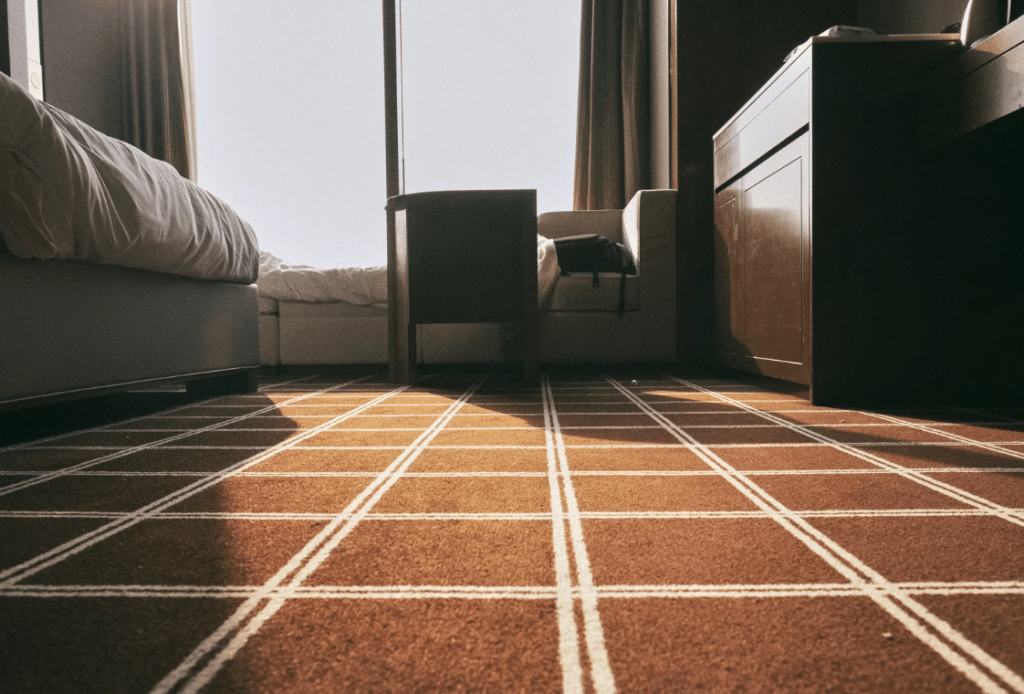
Colorado’s intense sunlight affects color choices. Light colors show less fading over time but may show dirt more readily, a consideration given Boulder’s outdoor lifestyle. Medium tones often strike the best balance, hiding everyday wear while minimizing visible fading.
Patterns and textures help disguise footprints, pet hair, and minor staining. Textured or patterned carpet works well in busy Boulder households, reducing visible wear between professional cleanings.
Consider your home’s lighting when selecting colors. Natural light in Boulder is brilliant and can wash out very light carpets or intensify dark ones. Request samples to view in your home’s specific lighting conditions before committing.
Stain Resistance Technology
Modern carpets offer various stain protection treatments. Some fibers, like triexta, include inherent stain resistance. Others feature applied treatments like Scotchgard or proprietary protectants.
For Boulder families with children, pets, or active lifestyles, stain-resistant carpet provides valuable protection. However, no carpet is truly stain-proof. Prompt cleaning remains essential regardless of protection level.
Padding: The Foundation of Comfort
Quality padding extends carpet life and improves comfort, critical during Boulder’s cold winters when you’re walking barefoot on floors. Padding thickness and density should match your carpet type and room usage.
Thicker isn’t always better. Excessive padding can actually reduce carpet stability and void some warranties. Most manufacturers recommend specific padding parameters. For basements, moisture-barrier padding protects against Colorado’s occasional moisture issues.
Room-Specific Recommendations
Bedrooms benefit from softer, plush carpets in nylon or polyester. Comfort takes priority over extreme durability here, though quality still matters for longevity.
Living areas and hallways need durable options like nylon or triexta in textured or loop constructions. These high-traffic zones in Boulder homes require resilient materials that maintain appearance despite constant use.
Stairs demand low-pile, dense carpets with excellent resilience. Safety matters here, so avoid overly plush options that could create tripping hazards.
Basements require moisture-resistant options. Consider olefin or treated nylon with moisture-barrier padding to protect against occasional Colorado moisture issues.
Budget Considerations
Quality carpet represents an investment in your Boulder home’s comfort and value. While budget matters, extremely inexpensive carpet often costs more long-term through premature replacement.
Mid-range options typically offer the best value, providing good performance without premium pricing. For high-traffic areas, investing more in quality pays dividends through extended lifespan.
Environmental Factors
Many Boulder homeowners prioritize eco-friendly choices. Look for carpets made from recycled materials, those certified by Green Label Plus for low VOC emissions, or options manufactured using sustainable processes.
Natural fiber carpets like wool offer environmental benefits but require more maintenance and cost more than synthetic alternatives. Weigh these factors against your priorities and lifestyle needs.
Making Your Final Decision
Choosing the best carpet for Boulder, CO homes involves balancing climate considerations, lifestyle needs, aesthetic preferences, and budget realities. Visit showrooms to feel different options, request samples for home viewing, and consult with experienced flooring professionals who understand Colorado-specific challenges.
The right carpet enhances your Boulder home’s comfort, beauty, and value while standing up to everything Colorado living demands. Take time to make informed decisions, and your carpet will serve you well for years to come.
FAQ
What carpet fiber works best for Colorado’s climate?
Nylon is the top performer for most Colorado homes — it resists wear, maintains appearance over time, and handles low humidity well, bouncing back from compression in high-traffic areas. Triexta (PTT polyester) is another strong choice, combining exceptional stain resistance, softness, and durability with an eco-friendly manufacturing process. Polyester works well in bedrooms and low-traffic areas, while olefin is best suited for basements due to its moisture and mildew resistance.
How does Colorado’s intense sunlight affect carpet color selection?
Boulder’s high-elevation UV exposure can fade carpets positioned near windows over time. Light colors show less fading but may reveal dirt more readily — a real consideration given Boulder’s outdoor lifestyle. Medium tones often strike the best balance, hiding everyday wear while minimizing visible fading. Always request samples to view in your home’s specific lighting conditions before committing, as Boulder’s brilliant natural light can wash out very light carpets or intensify dark ones.
What carpet construction is most durable for active Boulder households?
Loop pile carpets — including Berber-style options — hide footprints and vacuum marks and handle active lifestyles well, making them smart choices for family rooms, playrooms, and offices. Cut pile carpets work better in bedrooms and formal living areas where softness takes priority. For high-traffic zones like hallways and stairs, look for dense, low-pile constructions with high twist numbers, which help fibers recover from compression.
What padding should Boulder homeowners choose for their carpet?
Quality padding extends carpet life and improves comfort — particularly important during Boulder’s cold winters. Padding thickness and density should match the carpet type and room usage, and it’s important to follow manufacturer specifications, as excessive padding can reduce carpet stability and void warranties. For basements, moisture-barrier padding is recommended to protect against Colorado’s occasional moisture issues.
Are there eco-friendly carpet options for Boulder homeowners?
Yes. Look for carpets made from recycled materials, those certified by Green Label Plus for low VOC emissions, or options manufactured using sustainable processes. Triexta is also worth noting for its eco-friendly manufacturing process. Natural fiber carpets like wool offer environmental benefits but require more maintenance and come at a higher cost than synthetic alternatives — worth weighing against your priorities and lifestyle.