What kitchen tile flooring styles are Front Range homeowners choosing right now — and what actually holds up to Colorado’s active lifestyle?
Large-format porcelain tiles, wood-look finishes, and matte textures are leading the way in Boulder, Denver, and Fort Collins kitchens right now. Front Range homeowners are choosing kitchen tiles that reflect the local lifestyle: active, environmentally conscious, and connected to the natural surroundings — without sacrificing the practical performance a hardworking kitchen demands.
Large-Format Tiles Lead the Way
The shift toward larger tile formats continues to gain momentum across the Front Range. Tiles measuring 12×24 inches, 24×24 inches, and even 24×48 inches are transforming kitchen floors into sleek, contemporary spaces with minimal grout lines. This trend resonates with local homeowners for several practical reasons beyond just aesthetics.
Fewer grout lines mean easier cleaning, a significant advantage in kitchens where flour, coffee grounds, and cooking oils inevitably end up on the floor. After a day of meal prep or hosting friends for dinner, you can mop the floor quickly without worrying about scrubbing grout. Large-format tiles also create visual continuity that makes open-plan living spaces feel more cohesive, which works perfectly with the connected kitchen-dining-living layouts popular in Front Range homes.
Wood-Look Porcelain Continues to Thrive
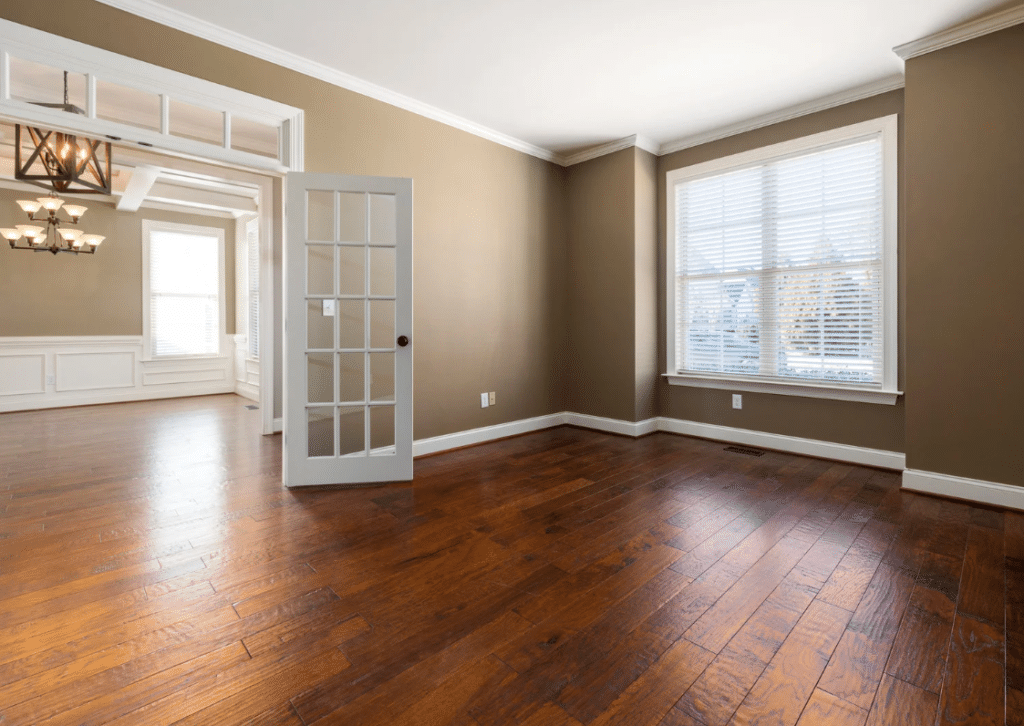
Wood-look porcelain tile remains tremendously popular in Front Range kitchens, and for good reason. This option delivers the warmth and visual texture of hardwood without the vulnerability to moisture, scratches, or the seasonal expansion and contraction that can plague real wood in our climate with its dramatic temperature and humidity swings.
Modern wood-look tiles have become remarkably realistic. Manufacturers use high-definition printing and varied surface textures to create tiles that capture the grain patterns, color variations, and even the subtle imperfections of real wood planks.
From a sustainability perspective, wood-look porcelain makes sense. You get the aesthetic without contributing to deforestation, and many manufacturers produce these tiles with recycled content. The durability means you won’t need to replace your floor for decades, reducing long-term environmental impact.
Natural Stone Aesthetics with Practical Materials
The look of natural stone continues to appeal to Front Range homeowners who want to bring organic texture into their kitchens. However, the trend is shifting away from actual stone toward porcelain tiles that replicate stone’s appearance while offering superior performance.
Stone-look porcelain captures the visual depth and subtle color variation of materials like marble, limestone, and slate without the maintenance demands. Real stone requires regular sealing and careful cleaning to avoid staining. Stone-look porcelain gives you the aesthetic while being virtually maintenance-free.
Patterned Tiles as Focal Points

While large-format neutral tiles dominate main floor areas, patterned and decorative tiles are finding their place in Front Range kitchens as intentional design moments. Rather than covering entire floors with bold patterns, homeowners are using patterned tiles strategically, defining a kitchen island footprint, creating a runner between counters, or marking the transition between kitchen and dining areas.
Textured and Matte Finishes Over High Gloss
The trend has decisively moved away from high-gloss finishes toward matte and textured surfaces. This shift reflects both aesthetic preferences and practical considerations. Matte finishes align with the organic, unpolished aesthetic that resonates in our region. They feel less formal and more livable, which suits how Front Range families actually use their kitchens – as gathering spaces where kids do homework, friends share meals, and life unfolds!
Sustainable and Eco-Conscious Choices
Environmental consciousness runs deep in Front Range communities, and this extends to flooring choices. Homeowners are actively seeking tiles made with recycled content, produced using renewable energy, or manufactured domestically to reduce transportation emissions.
Some tile manufacturers have embraced circular economy principles, using post-consumer glass, recycled porcelain, and reclaimed materials in their products. These tiles perform identically to conventional options while keeping materials out of landfills. Many carry third-party environmental certifications that verify their sustainability claims.
A well-installed tile floor can outlast several generations of other flooring materials, making it a truly sustainable choice regardless of how it’s manufactured.
Practical Performance Remains Priority
Underlying all these aesthetic trends is an unwavering focus on performance. Front Range homeowners lead active lives and want kitchens that work as hard as they do. The tiles gaining popularity are those that deliver on both beauty and durability.
Porcelain consistently wins for kitchen applications because it resists staining, handles heavy traffic, and maintains its appearance for decades. It stands up to dropped cast iron pans, tracked-in dirt from hiking boots, and the daily wear of family life. This practical durability makes it possible to have beautiful floors without constant worry about damage.
The ease of maintenance matters too. Front Range families want to spend weekends on the trails or the slopes, not scrubbing floors! Tile delivers here. A quick sweep and occasional mop keeps it looking great with minimal effort.
Bringing These Trends Into Your Kitchen
If you’re planning a kitchen renovation, these trends offer guidance rather than rules. The best choice for your home depends on how you actually live in your space. Consider your cooking habits, family activities, and long-term plans. Think about what you value
Working with a flooring professional who understands Front Range homes and lifestyles can help you navigate these trends thoughtfully. They can point out options you might not have considered and help you balance aesthetic desires with practical needs. The result will be a kitchen floor that not only reflects current design thinking but also serves your specific household beautifully for decades.
FAQ
-
What is the most popular kitchen tile size on the Front Range right now?
Large-format tiles are leading the trend. Sizes like 12×24, 24×24, and even 24×48 inches are increasingly common in Front Range kitchens. They create a sleek, contemporary look with fewer grout lines — which also means easier cleaning after cooking.
-
Is wood-look porcelain a good choice for Colorado kitchens?
Yes, and it’s one of the most popular options on the Front Range. Wood-look porcelain delivers the warmth and visual texture of hardwood without the vulnerability to moisture, scratches, or the seasonal expansion and contraction that real wood can experience in Colorado’s climate. Many of these tiles are also produced with recycled content.
-
How are Front Range homeowners using patterned tiles in their kitchens?
Rather than covering entire floors with bold patterns, most homeowners are using patterned tiles strategically — to define a kitchen island footprint, create a runner between counters, or mark the transition between kitchen and dining areas. This keeps the design intentional without overwhelming the space.
-
Why are matte and textured tile finishes more popular than glossy in Front Range kitchens?
Matte and textured finishes align with the organic, livable aesthetic that resonates in this region. They also hide water spots, footprints, and everyday wear better than high-gloss surfaces — a practical advantage in kitchens that double as gathering spaces for family and friends.
-
What makes porcelain the top choice for Front Range kitchen floors?
Porcelain resists staining, handles heavy traffic, and maintains its appearance for decades. It stands up to dropped cast iron pans, dirt tracked in from hiking boots, and the daily wear of an active family. A quick sweep and occasional mop is all it takes to keep it looking great — leaving more time for the trails.